Unlocking the Power of Paper Design: A Comprehensive Guide
With paper design at the forefront, this guide delves into the intricacies of creating visually stunning designs that captivate audiences across various industries. From traditional methods to modern techniques, explore the art and science behind effective paper design.
Discover the essential elements, techniques, and applications that make paper design an indispensable tool in the creative world.
Introduction to Paper Design
Paper design refers to the art and science of creating visually appealing and functional designs on paper. It involves the use of various elements such as colors, typography, and layout to convey a message or information effectively. Paper design plays a crucial role in various industries, including graphic design, marketing, packaging, and stationery.
Importance of Paper Design in Various Industries
Effective paper design is essential in grabbing the audience's attention and conveying the intended message clearly. In the field of graphic design, paper design is used to create eye-catching logos, brochures, posters, and other marketing materials. These designs help businesses establish their brand identity and attract potential customers.
In the packaging industry, paper design plays a significant role in creating attractive and functional packaging for products. Well-designed packaging not only protects the product but also enhances its visual appeal on the shelves, influencing consumer purchasing decisions.
Moreover, in the stationery industry, paper design is crucial in creating aesthetically pleasing notebooks, greeting cards, and other paper products. The design of these items can evoke emotions, express creativity, and reflect personal style, making them popular among consumers.
Examples of Paper Design in Real-World Applications
- Magazine Layouts: Graphic designers use paper design to create visually appealing magazine layouts that engage readers and enhance the overall reading experience.
- Product Packaging: Companies invest in paper design to create unique and attractive packaging for their products, helping them stand out on the shelves and attract customers.
- Invitations and Cards: Paper design is utilized to create elegant and personalized invitations and cards for special occasions such as weddings, birthdays, and holidays.
- Business Cards: Graphic designers use paper design to create professional and memorable business cards that leave a lasting impression on potential clients and partners.
Elements of Paper Design
Effective paper design involves various key elements that contribute to its overall impact and readability. These elements include layout, color schemes, typography, imagery, and whitespace. Each element plays a crucial role in creating a visually appealing and well-structured paper that engages the reader.
Color Schemes
Color schemes play a significant role in paper design as they can evoke emotions, create visual hierarchy, and enhance readability. Choosing the right colors can help in highlighting important information, guiding the reader's eye, and establishing a cohesive visual identity.
It is important to consider factors such as contrast, color psychology, and accessibility when selecting color schemes for a paper.
Typography
Typography is another essential element in paper design that greatly impacts the overall look and feel of the document. The choice of fonts, font sizes, spacing, and alignment can influence readability, hierarchy, and visual appeal. By selecting appropriate typography, one can effectively communicate the message of the paper and create a distinct visual identity.
It is crucial to maintain consistency in typography throughout the paper to ensure a cohesive design.
Techniques for Paper Design
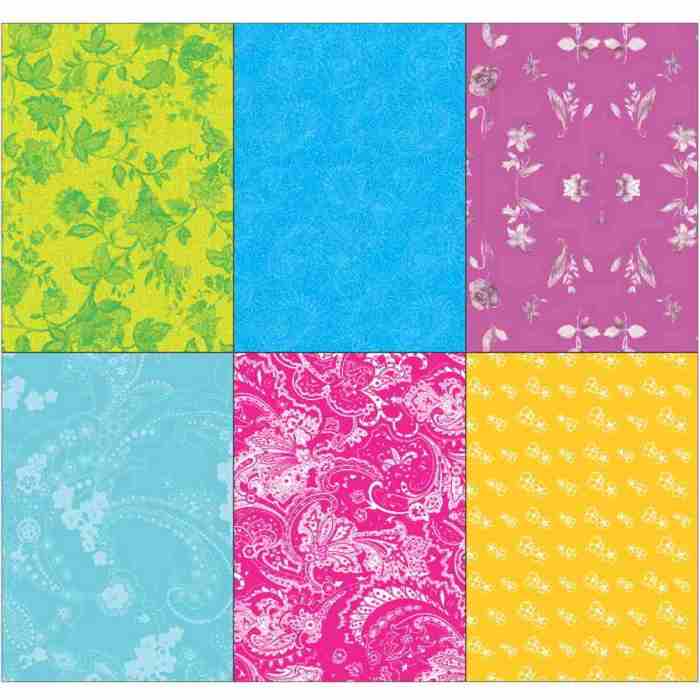
Creating visually appealing paper designs involves a variety of techniques that can enhance the overall aesthetic and impact of the final product. In this section, we will explore different methods for paper design, compare traditional techniques with digital approaches, and offer tips for beginners looking to improve their paper design skills.
Traditional Paper Design Methods vs. Digital Paper Design Techniques
When it comes to paper design, traditional methods such as origami, quilling, and paper cutting have been popular for centuries. These techniques often require intricate handwork and attention to detail, resulting in unique and delicate designs. On the other hand, digital paper design techniques involve software applications that allow for precise editing, manipulation of shapes, and the integration of multimedia elements.
While traditional methods offer a hands-on approach and a sense of craftsmanship, digital techniques provide flexibility and efficiency in creating complex designs.
Tips for Beginners
- Start with simple projects to build your skills and confidence.
- Experiment with different types of paper and tools to understand their unique properties.
- Study the work of experienced paper designers for inspiration and guidance.
- Practice precision and patience when working on intricate designs.
- Don't be afraid to make mistakes – they can lead to new creative discoveries.
Applications of Paper Design
When it comes to graphic design projects, paper design plays a crucial role in bringing ideas to life and creating visually appealing materials. From marketing collateral to packaging, the applications of paper design are diverse and impactful.
Utilization in Graphic Design Projects
In graphic design, paper design is utilized to create various elements such as business cards, stationery, posters, and more. The choice of paper type, texture, color, and weight can significantly impact the overall look and feel of the design, enhancing the visual appeal and conveying the intended message effectively.
Role in Marketing Materials
Paper design plays a vital role in marketing materials like brochures, flyers, and promotional materials. The use of high-quality paper and innovative design techniques can help capture the attention of the target audience, communicate brand messaging, and leave a lasting impression.
Use in Packaging and Product Design
When it comes to packaging and product design, paper design is essential for creating packaging that is not only visually appealing but also functional and practical. The choice of paper material, finishes, and printing techniques can enhance the overall product presentation and influence consumer perception.
Final Review
In conclusion, paper design serves as a versatile medium that breathes life into graphic design projects, marketing materials, and product packaging. Embrace the artistry and functionality of paper design to elevate your creative endeavors and leave a lasting impression on your audience.
Helpful Answers
How can color schemes impact paper design?
Color schemes play a crucial role in setting the tone and visual appeal of paper designs. They can evoke emotions, convey messages, and enhance overall aesthetics.
What are some key elements of effective paper design?
Key elements include layout, typography, color, imagery, and whitespace. These elements work together to create a cohesive and visually appealing design.
What are some techniques for creating visually appealing paper designs?
Techniques such as proper use of whitespace, balanced typography, and strategic color choices can greatly enhance the visual impact of paper designs.
How is paper design utilized in marketing materials?
Paper design is often used in marketing materials like brochures and flyers to attract and engage customers, convey brand messaging, and create a memorable impression.
What is the role of paper design in product packaging?
Paper design in product packaging serves to not only protect the product but also to communicate brand identity, product information, and enhance shelf appeal.